Why headshots are still important in 2026
Even though casting technology, AI-assisted searches, and video auditions have gotten better, headshots are still the first thing that actors and models see. Casting directors may be able to scroll through headshots faster than ever in 2026, but they still use them to make quick decisions.
Headshots are often the first thing that algorithms and people look at on casting sites like allcasting.com. They affect how many people click through, how many people view your profile, and whether or not a casting director decides to look at your profile more closely or move on.
In short, headshots still work, even in a world where casting is mostly done online.
What casting directors still want
A clear, honest picture
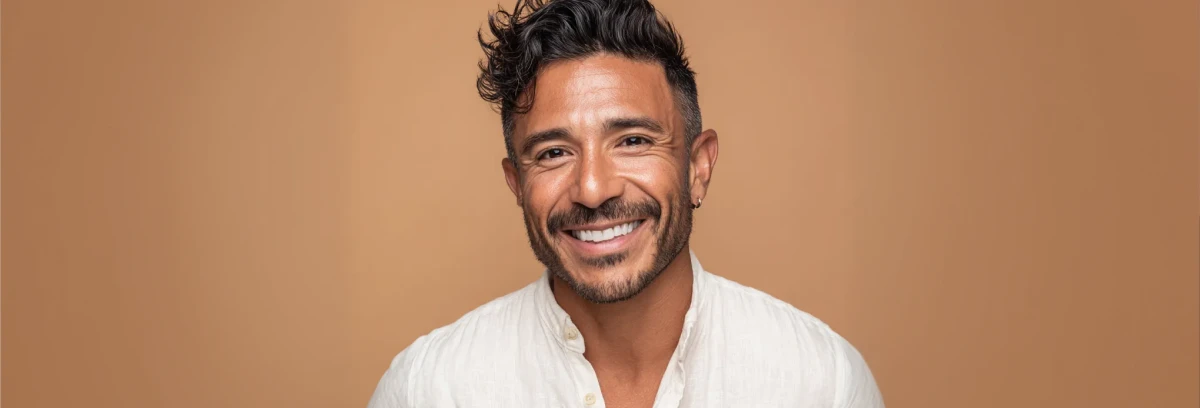
Casting directors don't care about perfection anymore. In fact, pictures that are too polished can be a sign of trouble. They want to see what you look like on a regular day, not after hours of editing.
A great headshot for 2026:
-
Clearly shows your face
-
Correctly shows your age range
-
Looks like you would on set
Authenticity gives casting directors confidence that what they see is what they'll get.
Focus and lighting are important
It may seem simple, but it's still very important. Casting directors always ignore pictures that are dark, blurry, or poorly lit, even if the pose is very expressive.
Your features are easy to read on both big and small screens when the lighting is clean and even and the focus is sharp. Most casting searches happen quickly, so clarity is a must.
Feelings without going overboard
A small, natural look is much more powerful than an over-the-top one. In 2026, casting directors want headshots that show a range of emotions without making you look like a single, dramatic type.
A relaxed, confident look lets casting directors picture you in a lot of different roles instead of putting you in a box right away.
What casting directors are not paying attention to right now
Heavy retouching and filters
Perfect skin, changed facial features, and edits made better by AI are no longer impressive and are often ignored. Casting directors are becoming more and more doubtful of pictures that don't look real.
It can hurt your credibility if your headshot looks very different from how you look in auditions or self-tapes. It's okay to make small changes, but realism always wins.
Cool backgrounds and props
Bright colors, crowded places, or props that are hard to understand may look good on social media, but they don't help with casting calls.
In 2026, neutral or simple backgrounds are still the norm because they keep the focus on you where it should be. Casting directors don't want to see how good your photo shoot looks; they want to picture you in their project.
Extreme styling choices
Makeup, costumes, or hairstyles that are too dramatic can often be more distracting than helpful. Extreme styling can make your headshot less relevant if you're not applying for a very specific niche role.
Being able to do a lot of different things is important, and neutral styling makes it easier for casting directors to see you in a variety of projects.
How headshots change casting algorithms
Modern casting platforms don't just show people headshots; they also look at them.
In 2026, algorithms take into account things like:
-
Resolution and quality of the image
-
How recent the uploaded photos are
-
Different looks on your profile
-
The engagement your photos get
Profiles with clear, up-to-date headshots tend to get more clicks and views, which can help them rank higher. Algorithms don't judge beauty, but they do reward professionalism and relevance.
How often should you change your headshots?
In 2026, a good rule of thumb is:
-
Change your headshots every 12 to 24 months.
-
If your look changes a lot, update sooner.
-
If you can, update at least one photo every year.
Changes to your profile, even small ones like new lighting, a different expression, or a more current hairstyle, show that it is active and up to date.
How headshots and self-tapes work together
Headshots are still the most important thing when it comes to getting people to watch your video, even though self-tapes and video auditions are more common than ever.
Headshots are like invitations, and self-tapes are like conversations. Casting directors might never click play if you don't have a good headshot.
Last thoughts
Headshots in 2026 aren't about being perfect; they're about being exact.
Casting directors want clear, honest, and relevant pictures that help them make quick, sure decisions. You are giving both algorithms and people exactly what they need by focusing on being real, not over-editing, and keeping your photos new.
A good headshot won't guarantee you a job, but it will make sure people see you, and in today's casting world, that's all that matters.