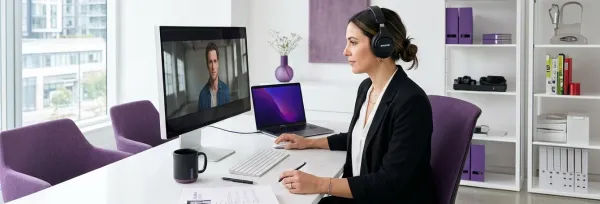

The industry has changed, which has changed the way actors perform. Streaming services, short-form content, and high-volume casting have changed what "good acting" looks like on screen.
Casting directors now look at:
-
How fast you can give someone a usable take
-
If your performance feels modern and real
-
How well you adjust to digital formats
Specific detail: Many auditions are watched on phones or laptops, so performances that are subtle and clear work better than ones that are more theatrical.
Not only are the best actors today good at acting, they are also good at getting things done.
Why acting that sounds natural and conversational is now the norm
Casting calls often ask for people who can deliver lines naturally. Acting that feels like real conversations always beats acting that is too polished.
What casting directors look for:
-
Realistic speed
-
Real responses
-
Tone of conversation
For example, a simple, relaxed delivery often sounds more real than a line that is perfectly enunciated and rehearsed too much.
Layered nuance: Just because something is natural doesn't mean it's not planned. Strong actors know the scene inside and out, but they make it look easy.
How self-taping became an important acting skill
It's no longer optional to tape yourself; it's a necessary part of the job. In a lot of cases, your self-tape is the first and only thing they see of you.
Some things that make you good at self-taping are:
-
Clear audio and lighting
-
The right framing (chest-up, eye-level)
-
Correct eye line
-
Clear background
Specific observation: Many talented actors are turned down because of bad technical setup, not because of their performance.
Acting and presenting go hand in hand in 2026.
You might also be interested in:
Why being able to change is one of the most important skills
Productions these days move quickly. People often ask actors to change their performance, tone, or delivery in just a few minutes.
Casting directors like actors who can:
-
Follow directions quickly
-
Give a lot of different options
-
Be consistent from one take to the next
For example, a commercial shoot might need five different versions of the same line, each with a slightly different tone.
Being able to adapt cuts down on production time and makes you more valuable on set.
Why subtlety matters more than dramatic range
High-resolution cameras and tight framing have changed how people watch performances. Small gestures have more power now than big ones.
Acting well on camera includes:
-
Facial expressions that are under control
-
Little but planned movement
-
Changes in emotions that feel like they come from within
Specific detail: In close-up shots, even a little overacting can seem like too much.
Layered nuance: Range is still important, but it's shown through control, not intensity.
How digital-first acting skills are shaping casting
Actors need to know how to perform in digital formats because of the rise of vertical content, streaming ads, and branded videos.
Important digital skills are:
-
Delivery straight to the camera
-
Quick conversations
-
Strong first lines (hook in 3 seconds)
-
Easy to make eye contact with the lens
For example, in a 15-second ad, the first line tells the viewer whether or not to keep watching.
Actors who know how to read tone on different platforms get more digital work.
Why listening gives you an edge over others
One of the most important acting skills is listening. Casting directors pay attention to how actors act, not just how they say their lines.
Strong listening looks like this:
-
Natural breaks before answering
-
Real emotional reactions
-
Focused on the scene partner
Specific observation: A lot of auditions feel flat because actors only pay attention to their lines and not how they interact with each other.
Reaction, not delivery, is what makes something real.
How professionalism affects who gets cast
Being professional is now seen as a skill you have. Producers and casting directors put a lot of value on actors who are dependable and easy to work with.
Some of the skills you need to be a professional are:
-
Meeting deadlines
-
Doing what you're told
-
Speaking clearly
-
Getting ready for the set
Reality check: Many actors miss out on roles because they miss deadlines or don't communicate well, not because they aren't talented.
Being professional helps you build a career that lasts.
What technical skills help actors get ahead
Actors who know how to use technology stand out in today's casting environments. You don't need fancy gear, but you do need to be in charge of your setup.
Useful technical skills:
-
Setting up basic lighting
-
Clear audio
-
Formatting and labelling files
-
Getting to know framing
Specific detail: A smartphone video with good lighting often looks better than a high-end camera setup with bad lighting.
Clear technical information helps performance.
How to put skill development first as a beginner
Focusing on the right skills early on can help you move forward faster. Don't try to learn everything at once. Instead, focus on practical skills that will have a big impact.
Begin with:
-
Delivery of lines that sounds natural
-
The basics of self-taping
-
Knowing what kind of casting you have
-
Practicing short scenes
Then grow into:
-
Making the range bigger
-
Making things up
-
Ability to adapt on set
Submitting to casting calls through casting platforms like allcasting.com helps you use these skills in real life, while being consistent builds confidence and experience.
The truth about acting skills in 2026
In 2026, acting is less about making big changes and more about being believable. The industry gives actors who are clear, flexible, and easy to direct more work.
Most working actors are successful because they:
-
Give performances that are always the same
-
Know how to use modern formats
-
Act professionally
-
Keep getting better at what they do
Specific observation: Actors who are good at acting and know a lot about technology book jobs more often than those who only have talent.
Final thoughts
In 2026, the best acting skills will be useful, up-to-date, and in line with how content is made today. Natural delivery, the ability to tape yourself, adaptability, and professionalism always come before traditional ideas of "range" or intensity.
Actors who focus on clarity, consistency, and real-world application are better positioned to succeed. The goal is no longer to impress; it's to connect, deliver, and make it easy to cast again.