Interview with Edi
1. How is AI image generation influencing the way photographers and directors approach casting and visual storytelling in 2026?
Because I started in the Arts a long time ago, I’ve seen trends and new technologies popping up in every single decade — from B&W film to color, from film to digital, from DSLRs to mirrorless. Every time, some people got excited, some got scared, and some adapted.
Edi views AI as a natural progression, another tool in the creative toolbox rather than a threat.
Some people are amazed by the possibilities, but in time, it will become just another resource. Real talent and real art are inherently human — and real artists will never be replaced.
Insight:
Edi sees AI as an enabler, not a replacement. While it expands creative possibilities, it also raises the bar for quality and authenticity in human work.
2. What shifts have you noticed in the types of faces and body types brands are seeking for fashion campaigns?
We’ve been pushing for a more natural and diverse look for many years now as brands began understanding how important it is for their audience to feel a connection with the imagery.
He cautions, though, that some brands use diversity as a marketing strategy rather than a genuine value:
Some utilize the term diversity and inclusion just to make more profit and ‘look good’ in the eyes of customers. Navigating that hypocrisy can be tricky.
Insight:
Edi’s approach to casting starts with understanding the brand’s real values, ensuring that the models selected can both represent the message and inspire authenticity.
3. How do you see the balance evolving between in-person castings and virtual auditions for modeling and commercials?
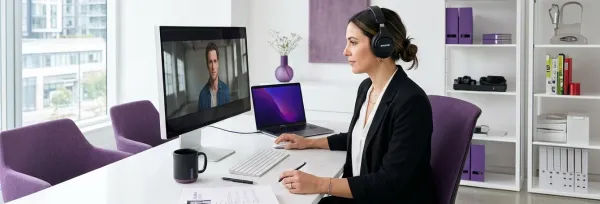
Virtual auditions have been here long before the pandemic. What’s changing now is the ability to have real-time interaction via video calls, which brings a more personal connection.
Edi uses platforms like AllCasting to manage submissions and reach talent who might otherwise miss opportunities.
I use virtual casting as a pre-cast before in-person sessions. It helps filter candidates and identify serious talent.
He also highlights a key challenge — many profiles still lack professional materials:
Missing comp cards, selfies, poor-quality photos — these details can hurt potential. Sometimes we offer portfolio sessions when we see promise but weak presentation. It’s my way of giving back.
Insight:
Virtual tools streamline casting but professionalism remains non-negotiable. A polished portfolio signals reliability and commitment.
4. What advice would you give to aspiring models navigating an increasingly digital-first industry?
Invest in yourself first. Learn to present yourself as a professional model even if you haven’t done professional work yet.
Edi’s advice centres on discipline, preparation, and collaboration:
-
Be punctual, organized, and well-groomed.
-
Communicate clearly with directors and stylists.
-
Understand the project, from mood to wardrobe.
-
Stay off your phone and be fully present.
-
Respect every role — from makeup artist to creative director.
As a model, your job is to model. Forget the idea of glam and embrace the reality of hard work.
Insight:
Professionalism is what separates aspiring models from working ones. Treating modeling like a craft — not a fantasy — earns respect and opportunities.
5. Can you share an example of a campaign where creative technology (like AR or AI styling) transformed the casting process?
I’ve used AI to curate ideas and create mood boards — it’s faster than sketching. But my work has a defined aesthetic, so companies approach me knowing what they want.
Edi’s casting process combines efficiency with artistry:
-
Assistants pre-select applicants.
-
Candidates are divided into in-person and development folders.
-
Promising models with weak portfolios may get a second chance via development sessions.
Modeling isn’t for everyone. Every person has a unique skill or passion — your goal is to find it and make it happen.
Insight:
Edi’s process shows how technology enhances curation but human judgment defines quality. The best results come from aligning digital efficiency with artistic intuition.
Conclusion
Edi reminds us that even in a world shaped by algorithms and AI, the essence of art remains human. The tools may evolve, but integrity, preparation, and passion will always define great models and great work. Whether behind the lens or in front of it, success lies in embracing change while staying true to what makes you real.